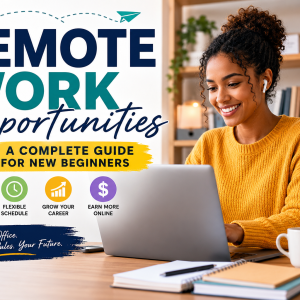

Remote work is no longer a passing trend or a temporary solution created by changing workplace conditions. It has become a normal and increasingly important part of modern employment. In 2026, businesses around the world are continuing to build distributed teams, hire talent across borders, and give employees the flexibility to work from locations outside traditional offices. For job seekers, this has created an entirely new way to build a career without being limited by geography.
Remote opportunities now exist across a wide range of industries. Technology remains one of the biggest areas, but you do not have to be a software developer to benefit from the remote economy. Companies are hiring people for customer support, digital marketing, content writing, copywriting, graphic design, project management, sales, accounting, data analysis, social media management, virtual assistance, recruitment, education, and many other roles.
For someone living in Nigeria or another African country, this shift is particularly significant. A remote position can create the possibility of working with an international company without immediately having to relocate. Instead of being restricted to the opportunities available in your local city, you can compete for positions with employers in different countries and time zones.
Imagine starting your workday from your home, connecting with colleagues in London, Lagos, Toronto, Nairobi, or New York, attending meetings online, completing projects digitally, and receiving your income without spending hours commuting to an office every morning.
That is the appeal of remote work.
But there is another side to the story that aspiring remote workers need to understand.
Remote work may give you more freedom, but getting the job requires more preparation.
The popularity of remote employment has attracted millions of job seekers. A single position can receive applications from candidates across several countries, all competing for the same opportunity. This means employers have more options, and they can afford to be selective.
Having a degree is no longer enough for many remote positions. Having a CV is not enough. Even saying that you are “hardworking” or “a fast learner” will not necessarily make you stand out.
Employers want evidence.
They want to know whether you can communicate effectively without someone constantly supervising you. Can you manage your time? Can you meet deadlines? Can you solve problems independently? Can you collaborate with people you may never meet physically? Can you use the tools required for the role? Can you explain your ideas clearly through email, video calls, Slack, project-management platforms, or other digital communication systems?
These questions are becoming increasingly important.
The good news is that you do not need to be an experienced remote worker before you can get your first remote job.
You also do not need to know everything.
Many successful remote professionals started with limited experience. Some began by learning one valuable skill, creating a few projects, taking freelance assignments, volunteering, completing internships, or accepting entry-level opportunities that helped them build credibility. Over time, those small experiences became a portfolio that allowed them to compete for better-paying positions.
This is why your approach matters.
Instead of applying randomly to hundreds of jobs and hoping someone notices you, you need to understand where your skills fit, what employers are looking for, and how to present yourself professionally.
Start by identifying the skills you already have. You might be better at writing than you realize. You might have strong organizational abilities. You might be good at communicating with customers, managing social media, creating designs, working with spreadsheets, researching information, or solving technical problems.
Then ask yourself an important question:
“What problem can I solve for a company?”
That question can completely change how you approach your job search.
A company does not hire you simply because you need a job. It hires you because you can contribute something valuable.
Your CV should communicate that value. Your LinkedIn profile should reinforce it. Your portfolio should demonstrate it. Your interview should prove it.
And if you do not have enough evidence yet, that is where learning and practice come in.
You can take online courses, build personal projects, contribute to real-world initiatives, create sample work, improve your communication skills, and develop a portfolio that demonstrates what you are capable of doing.
Networking also matters.
Many people imagine networking as asking strangers for jobs. It does not have to work that way. Genuine networking is about building relationships, learning from people in your industry, participating in professional communities, sharing useful insights, and making yourself visible to the right people.
Sometimes your next opportunity will not come from a job board. It may come from someone who remembers your work, sees your expertise online, or recommends you for an opening.
This is why building a professional online presence is becoming increasingly important in the remote job market.
Your digital presence is often your first impression.
Before contacting you, an employer may look at your LinkedIn profile, portfolio, website, GitHub account, writing samples, design work, or other professional platforms. Make sure those platforms tell the same story: you are skilled, reliable, professional, and capable of delivering results.
At the same time, remember that remote work is not simply about working from your bedroom in comfortable clothes.
It requires discipline.
You need to manage your own schedule, communicate proactively, stay organized, meet deadlines, and remain productive even when nobody is physically present to monitor you. You also need to understand how to maintain boundaries so that flexibility does not turn into working all day and burning yourself out.
The remote lifestyle can be incredibly rewarding, but it works best when you develop the habits required to succeed in it.
So, if you are reading this in 2026 and wondering whether you have missed your chance to enter the remote workforce, the answer is no.
You may be starting later than someone else. You may not have years of experience. You may not have an impressive portfolio yet. You may even feel overwhelmed by the number of people competing for the same opportunities.
Start anyway.
You do not need to become an expert overnight. Choose a skill. Learn it. Practice it. Build something with it. Show your work. Improve your CV. Strengthen your online presence. Apply strategically. Learn from rejection. Network genuinely. Then repeat the process.
The remote job market is competitive, but competition does not mean opportunity has disappeared. It means you have to become intentional about how you compete.
And that is exactly what this guide is designed to help you do.
From choosing the right remote career path and developing valuable skills to creating a strong CV, building a portfolio, finding legitimate opportunities, preparing for interviews, avoiding remote-job scams, and eventually increasing your earning potential, we will break down the process step by step.
Because landing a remote job is not about waiting for someone to discover you.
It is about becoming visible, becoming valuable, and putting yourself in the right position for the right opportunity to find you.
Why Remote Jobs Are Growing So Fast
Companies have discovered that remote work can reduce costs and increase productivity. Instead of renting expensive office spaces and hiring only local employees, businesses now recruit talented workers from different parts of the world.
At the same time, workers want flexibility. Many people are choosing remote jobs because they allow better work-life balance and access to global opportunities.
In 2026, remote hiring is especially strong in industries such as:
- Software development
- Customer service
- Digital marketing
- Content writing
- Graphic design
- Video editing
- Cybersecurity
- Data analysis
- Virtual assistance
- Online teaching
- Sales and lead generation
Even companies that once required office attendance now offer hybrid or fully remote positions.
What Employers Really Want in 2026
Many people believe remote companies only care about technical skills. That is not entirely true anymore. Employers are now paying close attention to reliability, communication, and adaptability.
Here are the qualities most remote employers look for today.
1. Strong Communication Skills
When teams work remotely, communication becomes everything. Employers want people who can clearly explain ideas, reply professionally, and collaborate without constant supervision.
If you can write clear emails, communicate respectfully during meetings, and respond on time, you already have an advantage over many applicants.
2. Self-Discipline
Remote work gives freedom, but it also requires responsibility. Employers want people who can manage their time without being monitored every minute.
They look for candidates who:
- Meet deadlines
- Stay organized
- Handle tasks independently
- Maintain productivity from home
3. Problem-Solving Ability
Remote teams move quickly. Managers prefer workers who can solve problems instead of waiting for instructions all day.
Being proactive matters a lot in remote environments.
4. Digital Skills
You do not need to be a software engineer to work remotely, but you should be comfortable using digital tools such as:
- Zoom
- Google Workspace
- Slack
- Trello
- Notion
- Microsoft Teams
Basic digital confidence is now expected in most remote positions.
The Biggest Mistake Job Seekers Make
One of the most common mistakes people make is applying for hundreds of remote jobs with the same generic CV.
Employers can spot mass applications immediately.
Instead of sending the same resume everywhere, successful applicants customize their applications for each role. They study the company, understand the job description, and show exactly how their skills match what the employer needs.
A smaller number of quality applications often works better than hundreds of random ones.
Best Remote Jobs to Start With in 2026
If you are new to remote work, some roles are easier to enter than others.
Customer Support
Many companies hire remote customer support agents to handle emails, live chats, and customer inquiries.
Skills needed:
- Good English communication
- Patience
- Problem-solving
- Basic computer knowledge
This is one of the best entry-level remote jobs available today.
Virtual Assistant
Virtual assistants help businesses manage administrative tasks such as scheduling, data entry, research, and email management.
This role is growing quickly because small businesses and entrepreneurs often need remote help.
Content Writing
If you enjoy writing, there are opportunities in:
- Blog writing
- Copywriting
- SEO content
- Technical writing
- Script writing
Good writers who understand how to create engaging content are highly valuable online.
Social Media Management
Businesses constantly need people who can manage:
- Instagram pages
- TikTok accounts
- Facebook campaigns
- LinkedIn posts
If you understand social media trends and audience engagement, this can become a strong remote career.
Graphic Design and Video Editing
Visual content dominates the internet. Companies need creatives who can design graphics, edit videos, and produce digital content for marketing.
Tools commonly used include:
- Canva
- Adobe Photoshop
- Premiere Pro
- CapCut
- Figma
Where to Find Real Remote Jobs
One challenge in remote job searching is avoiding fake opportunities and scams.
Here are some trusted platforms people use in 2026.
LinkedIn remains one of the best places to find remote opportunities. Recruiters actively search for candidates there every day.
Make sure your profile looks professional and updated.
Upwork
Upwork is ideal for freelancers and beginners trying to build experience.
You may start with smaller projects before moving into higher-paying work.
Fiverr
Fiverr allows people to sell digital services such as writing, editing, graphic design, and marketing.
Many freelancers have built full-time careers there.
Remote OK
Remote OK focuses entirely on remote positions from companies around the world.
We Work Remotely
We Work Remotely regularly posts opportunities in technology, customer service, and design.
How to Build a Strong Remote CV
Remote employers often spend less than a minute reviewing resumes.
That means your CV must be clear, focused, and relevant.
Keep It Simple
Avoid complicated designs and unnecessary information.
Focus on:
- Skills
- Experience
- Achievements
- Tools you can use
Highlight Remote Skills
Mention experience with:
- Remote collaboration
- Communication tools
- Independent work
- Time management
Even freelance or volunteer experience can help.
Add Results, Not Just Responsibilities
Instead of writing:
“Managed social media accounts.”
Write:
“Grew Instagram engagement by 40% in three months.”
Results make employers pay attention.
Why Your Online Presence Matters
In 2026, employers often search candidates online before hiring them.
Your digital presence can either help or hurt your chances.
Improve Your LinkedIn Profile
A good LinkedIn profile should include:
- Professional photo
- Clear headline
- Well-written summary
- Updated experience
- Relevant skills
Recruiters are more likely to contact candidates who look active and professional online.
Build a Portfolio
For creative or technical jobs, portfolios matter more than certificates sometimes.
You can create:
- Writing samples
- Design portfolios
- Coding projects
- Marketing case studies
- Video samples
Showing your work builds trust quickly.
The Power of Networking
Many remote jobs are never publicly advertised.
People often get opportunities through referrals and professional connections.
Networking does not mean begging strangers for jobs. It means building genuine relationships with people in your field.
You can network by:
- Joining online communities
- Participating in LinkedIn discussions
- Attending webinars
- Connecting with recruiters
- Sharing useful content online
Over time, opportunities naturally appear.
How to Stand Out During Interviews
Remote interviews are different from traditional office interviews.
Employers pay attention to:
- Communication
- Confidence
- Internet connection
- Professionalism
- Energy level
Prepare Properly
Before interviews:
- Test your microphone and camera
- Choose a quiet environment
- Research the company
- Practice common interview questions
Be Specific
Instead of giving vague answers, use real examples.
For example:
“During a freelance project, I managed three deadlines at the same time and delivered everything early.”
Specific examples sound more believable and professional.
Skills That Will Be Highly Valuable in 2026
The remote job market changes constantly. Some skills are becoming more valuable every year.
AI-Assisted Work
Artificial intelligence tools are now part of many workplaces. Companies value workers who know how to use AI tools effectively without depending on them completely.
Examples include:
- AI-assisted writing
- Automation tools
- AI research assistants
- Data analysis tools
Cybersecurity Awareness
As remote work grows, online security becomes more important.
Even basic cybersecurity knowledge can make you more attractive to employers.
Digital Marketing
Businesses will always need visibility online.
Skills like:
- SEO
- Email marketing
- Paid advertising
- Content strategy
continue to stay in high demand.
Common Remote Job Scams to Avoid
Unfortunately, scams still exist in the remote job market.
Be careful if:
- A company asks for payment upfront
- The salary sounds unrealistically high
- There is no interview process
- Communication feels suspicious
- The company has no online presence
Legitimate employers do not ask candidates to pay money before getting hired.
Can Beginners Really Get Remote Jobs?
Yes, absolutely.
Many people assume remote jobs are only for experts with years of experience. That is not true anymore.
What employers often care about most is:
- Reliability
- Communication
- Willingness to learn
- Consistency
Even beginners can start with:
- Freelance projects
- Internships
- Entry-level support roles
- Part-time remote work
Over time, experience grows naturally.
The Reality Nobody Talks About
Remote work is rewarding, but it is not always easy.
Working from home can sometimes feel isolating. Distractions can affect productivity. Time zones can make communication difficult.
Some people struggle because they expect remote work to feel like a permanent vacation.
The people who succeed long-term usually create routines, maintain discipline, and continue improving their skills.
Final Thoughts
The remote work world in 2026 is not slowing down—it is becoming more competitive, more global, and more rewarding for people who are prepared to adapt.
The biggest opportunity is that geography matters less than it used to. You can live in Nigeria and work with a company in the United States, the United Kingdom, Europe, or another part of the world without relocating. But access to these opportunities requires more than simply searching for “remote jobs” and sending applications every day.
The people who stand out are those who understand how to position themselves.
Build skills that companies actually need. Learn how to communicate clearly across time zones. Become comfortable with digital collaboration tools. Create a professional online presence that shows what you can do, not just what certificates you have collected. Build projects, document your results, connect with people in your industry, and keep improving your ability to solve real problems.
Most importantly, do not allow a lack of experience to convince you that you have nothing to offer. Your first remote opportunity may not be your dream job. It may be a freelance project, internship, contract role, volunteer opportunity, or entry-level position that gives you the experience you need to move forward.
Remote work rewards consistency.
You may apply to dozens of opportunities before receiving your first serious response. You may get rejected even when you believe you are qualified. You may discover that your CV needs improvement, your interview skills need work, or your portfolio does not communicate your abilities clearly enough. None of these setbacks mean the opportunity is gone. They are signals telling you what to improve.
The key is to stop treating every rejection as a dead end and start treating the process as feedback.
In 2026, the remote job market belongs to people who are willing to keep learning, keep adapting, and keep showing up. You do not need to have everything figured out today. You need a willingness to start, a commitment to become better, and the discipline to keep going when the results are not immediate.
The opportunities are out there—but preparation is what helps you recognize them, positioning is what helps you attract them, and consistency is what ultimately helps you turn one opportunity into a career.
Your location does not have to determine the size of your career anymore. If you build valuable skills, communicate your value, and remain persistent, the world can become your workplace.